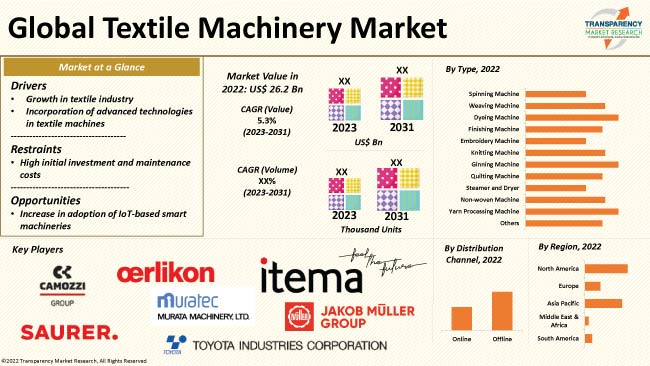
The global textile industry is undergoing a strategic shift as manufacturers adapt to rising production costs, sustainability targets, and fluctuating consumer demand. Across major textile hubs, mills are focusing on optimizing existing infrastructure rather than heavy capital investment, driving renewed interest in used and refurbished textile machinery.
Cost Optimization Drives Machinery Decisions
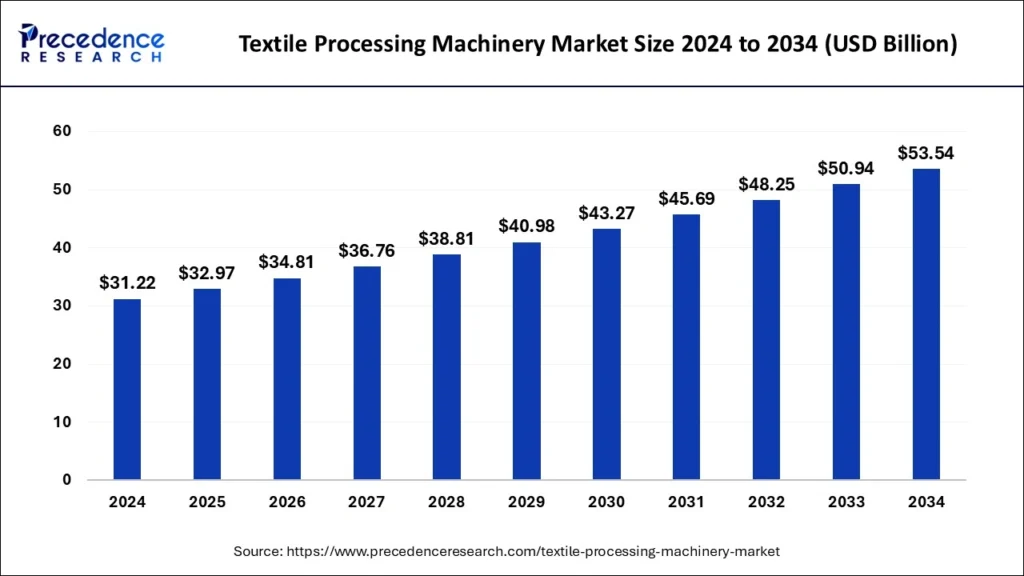
With energy prices, labor costs, and raw material volatility impacting margins, textile manufacturers are prioritizing cost-efficient production upgrades. Instead of investing in brand-new equipment, many mills are choosing used spinning, weaving, and processing machines that offer proven performance at significantly lower upfront costs.
Industry trends indicate that refurbished machinery can reduce capital expenditure by 30–60%, enabling mills to expand capacity or modernize operations while maintaining financial flexibility.
Sustainability Becomes a Core Manufacturing Metric
Sustainability is no longer optional in the textile sector. Global brands are demanding lower carbon footprints, reduced waste, and responsible sourcing from their supply chains. Reusing and refurbishing textile machinery directly supports circular manufacturing practices by extending machine lifecycles and minimizing industrial waste.
As a result, used machinery is increasingly viewed not just as an economical choice, but as an environmentally responsible investment.
Automation and Productivity Upgrades Continue
Even in the used machinery segment, demand is growing for machines equipped with:
- Improved drafting systems
- Energy-efficient drives
- Automation-ready controls
- Consistent quality output
Mills are selectively upgrading key sections such as blowroom, carding, draw frames, speed frames, and looms to improve yarn consistency and production stability without fully replacing entire lines.
Emerging Markets Lead Capacity Expansion
Textile manufacturing growth continues to accelerate in South Asia, Southeast Asia, Africa, and parts of South America. In these regions, used textile machinery plays a vital role in establishing new mills quickly and cost-effectively, supporting employment generation and export-driven growth.
Outlook for 2026 and Beyond
Industry experts expect the used textile machinery market to see steady global demand, driven by:
- Faster project execution timelines
- Increased focus on sustainability compliance
- Higher return on investment
- Availability of well-maintained European and Asian machinery
Manufacturers that balance technology, cost control, and responsible production will be best positioned to stay competitive in the evolving textile landscape.